Accountant first. Fearless AI teacher second.
Run your practice with AI, safely and at a human pace.
Most AI training teaches the tool. I teach the person holding it. If you're already carrying too much and quietly wondering if you're falling behind, I've been there, and I'd love to help.
I did it, and you can too.

Why learn from me
Why learn from me
Yes, in my own firm
I work with AI side by side every day: my inbox, follow-ups, scheduling and much more.
I'm doing it right now
Nearly two years in, I'm still building and learning all the time, and I co-lead AI office hours for accountants.
I'm one of you
I'm an accountant and a small firm owner, not a tech person. I know what it feels like to be behind and short on time.
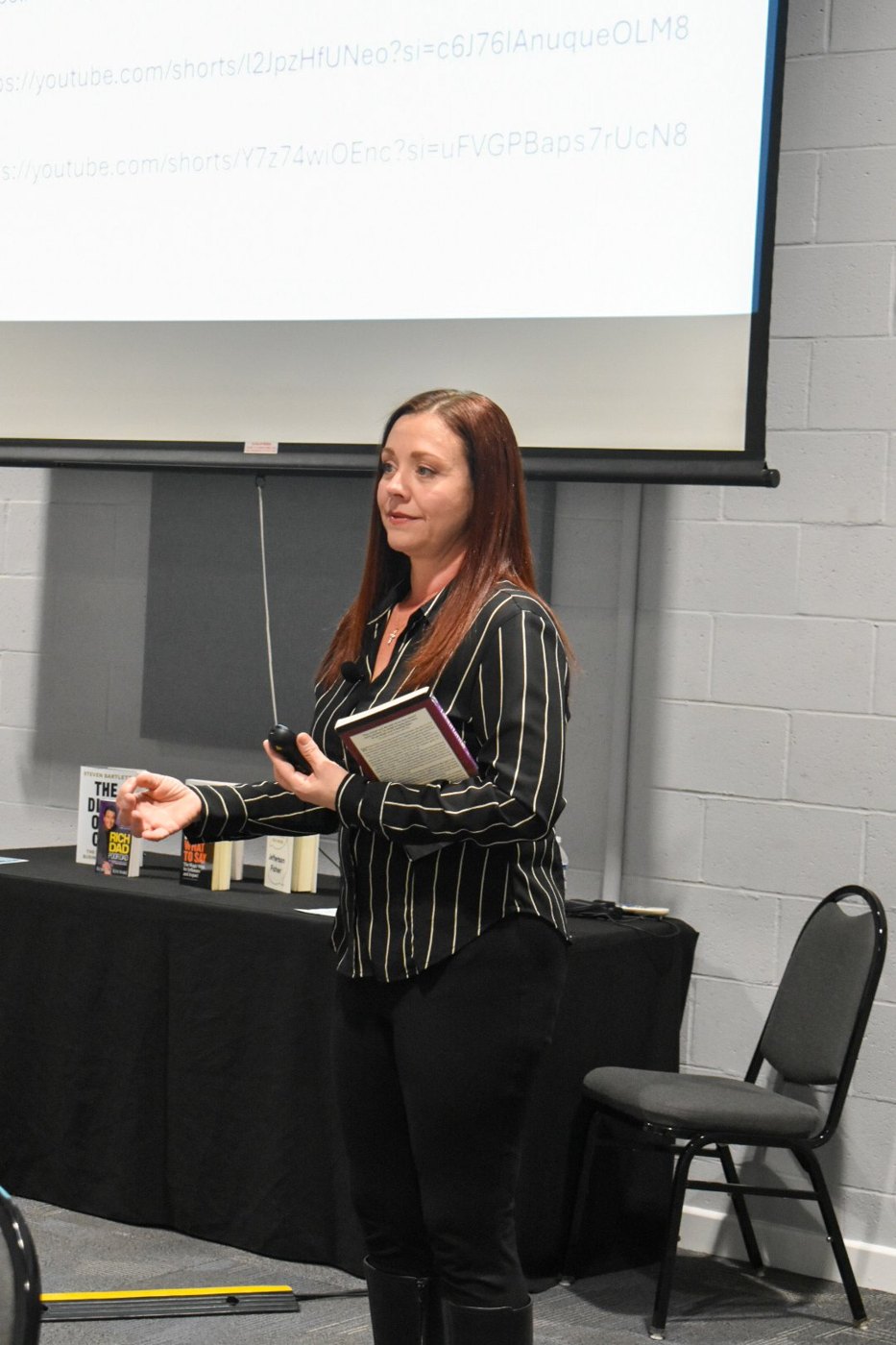
I see so many people who feel behind and are afraid to raise their hand.
Who this is for
Does this sound like you?
I work with small firm owners, whether it's just you or a team of five or six.
You've learned every software change this profession has thrown at you. But AI feels different, like a tipping point, not just another tool.
You're tired of software promises that turned out to be half-truths. Me too.
The trainings move way too fast. Between client deadlines and everything waiting at home, when are you supposed to figure it out?
You sit in the AI sessions and don't raise your hand, because it seems like everyone else already knows the words. You're not alone. A lot of us feel that way.
If it's just you
AI can work like a team member for you. It takes the first pass on the routine work, so you can do more for the clients you already have, without hiring.
If you have a small team
Your team's work is going to shift, just like mine did. AI takes the first pass, and your people move up to reviewing, handling exceptions and taking care of clients. You keep the judgment calls.
The gap
Most of us haven't seen what's possible yet.
48%
use AI only for research and summaries
About 1 in 3
use it to build skills or automations
16%
use it to build apps or code
3%
don't use it at all
Survey of attendees at Intuit Connect 2026.
A colleague shared this survey from Intuit Connect, and honestly, it opened my eyes. Almost half of us are using AI like a search engine. We ask a question, get an answer and move on. I get it. That's where I started too.
But very few of us have AI doing real work inside our practice yet.
That's the gap. And for a small firm, I think it's the biggest opportunity we've had in years.
How we'll get started
A simple roadmap
No jargon, and no dumb questions. We'll take it one step at a time.
Learn the basics
What Claude and ChatGPT actually are, and what a skill is: a set of instructions you write once, so AI does a task your way every time.
Do your risk check
Your state, whether you do tax, and what you're comfortable with.
Build one fun skill
Something that has nothing to do with accounting, so you can see how it works.
Hand off the busywork
Let AI sweep your inbox, draft replies and close simple loops.
Grow at your pace
When you're ready, bring AI in beside your team.
AI = Amanda's Insights
I've worked in accounting for more than 20 years, always as part of a team, and I've owned my own tax and advisory firm since 2019. So I've been the employee and the employer, and I've seen this work from both sides. Even with good people around me, I was still the bottleneck in my own firm. Everything waited on my review.
Then I stopped using AI like a search engine and started working with it like staff. It changed how my whole firm works.
I'm not a tech person who learned accounting. I'm an accountant who learned AI.
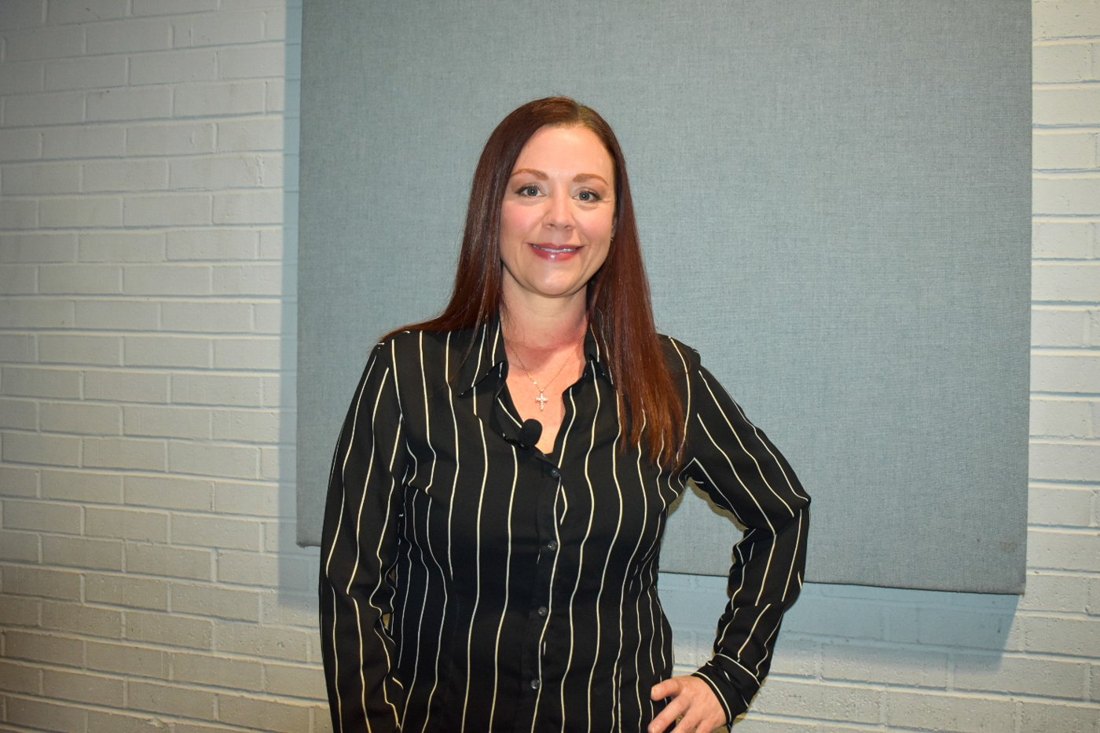
My AI story
How I got here
I didn't start out as an expert. I started as an AI enthusiast and an early adopter, and I've been using AI extensively in my firm for nearly two years.
- Where it started
An AI enthusiast
I was curious, so I jumped in early and kept experimenting.
- Learning
Learning from the best
I made a real investment in working with the best AI trainers and consultants I could find.
- Austin, Texas
My aha moment
At a small in-person builder workshop, another guest described software subscriptions as a thing of the past. My whole practice was built on that software as a QuickBooks ProAdvisor. That's when I knew I needed to pay attention.
- Today
Where I am now
AI handles so many of these tasks now, and it has replaced much of the software in my firm.
When someone said software subscriptions were a thing of the past, I realized my whole practice was built on them. That's when I started paying attention.
What changed in my firm
From doing the work to reviewing it
I work with AI side by side every day. I'm teaching it to work the way I work: my process, my judgment, how I like things done. Now it can finish a whole task on its own and bring me a finished product. A team member reviews it before anything goes to a client, and the final call is still mine.
AI does the first pass
- Sweeps my email, client messages and team chats into one list
- Drafts replies and follow-ups for us to review
- Sorts and names client uploads
- Tracks every open item, so nothing falls through the cracks
People handle the judgment
- I, or someone on my team, review every AI draft first
- They catch errors and redirect the AI
- They handle the exceptions and talk with clients
- Logins, bank access and anything sensitive stay human
I do what only I can do
- Final review, because my name is on the work
- Tax strategy, advisory and client conversations
- Reviewing what the AI got wrong, so it gets better
What makes it work
Every client has a context file, a short note with everything AI should know about them, so it already knows the client before it starts.
I show it a task once, and it does it the same way every time.
I can start it and walk away. It only asks for a person when it really needs one.
Whether it's just you or a small team, the goal is the same: the right work for everyone, people and AI.
Start anywhere
There's no wrong way to use AI, except not using it at all
I like to keep it simple. I mostly use one AI tool. You don't have to hand AI your tax returns to see a real difference. There's a whole range of things it can do for you today, and you can start wherever you feel comfortable.
- Client portals like TaxDome and Canopy
- Team chat in Slack and Teams
- Text messages and voicemail
- Meeting notes
- A dozen software logins
One list
What came in, who's waiting on you, and a draft reply ready for you to review.
With connectors, simple links that let AI read your other apps, it can check all of these for you, so you're not logging into a million places.
- Where most of us start
Ask and research
Questions, summaries and explanations.
- A great next step
Your personal assistant
It gathers what came in from every channel into one place.
Drafts for you
Replies, follow-ups and reminders, ready for you to review.
Closes the simple loops
Like scheduling a discovery call or a planning meeting.
Works beside your team
Takes the first pass on routine work, when you're ready.
Go at your own pace. Every step on this path gives you time back.
How I help
Ways to work with me
Small group cohort: do what I've done
A small group, so everyone has time to ask questions. We'll start with the basics, your risk check and one fun skill. Then I'll walk you step by step through what I use in my own firm: client context files, skills, an AI inbox, and the guardrails that keep client data safe.
If you build just one skill and use it, I think you'll see right away what's possible.
Join the interest listGroup training
Private AI training for your team, your accounting group or your association, so everyone learns the same safe habits together.
One-to-one
My most personal option. I work right beside you, inside your own practice, on what you need most.
In the room
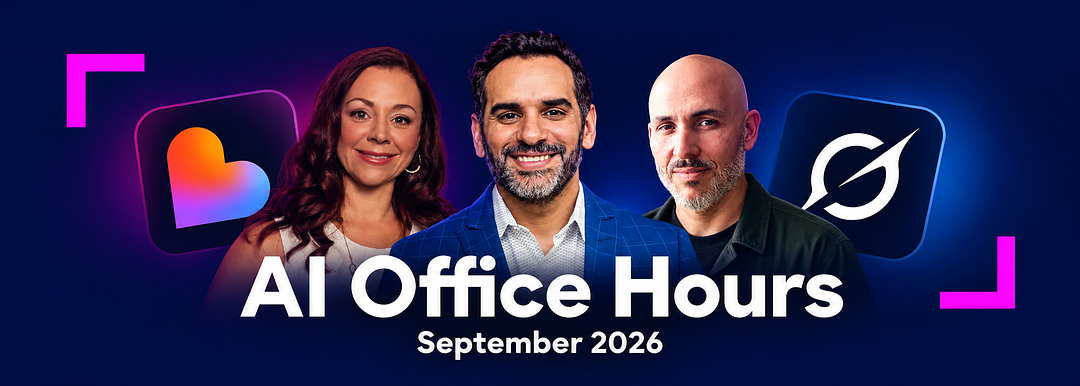
I co-lead AI office hours in the ReFrame Society
Safe by design
You stay in charge
01
Start with a risk check
Every firm is different. What state are you in? Do you do tax? Do the IRS rules for tax pros (Circular 230) apply to you? How much risk are you comfortable with? From there, AI can even help you update your written security plan (WISP) and engagement letters.
02
AI drafts, you decide
AI does the first pass. You review and approve every word.
03
Client data stays protected
I'll show you the simple habits I use to keep client information safe.
04
Start with internal tasks
Practice on your own firm's work first, before anything goes to a client.
My thoughts
Where I think this is going
I want to be honest with you about what I'm seeing. You don't have to agree with all of it, and none of it has to happen overnight.
AI is going to sit beside every team member in our profession. It won't matter if your firm does tax, bookkeeping, advisory or all three.
In my own firm, the team changed as AI took on more of the work. Some roles weren't needed anymore, and some people chose not to make the shift.
I think the people who thrive will be curious. They'll watch how AI works, read its work carefully, and know when to question it and point it in a better direction.
Here's the part that still amazes me: we're learning to work alongside something that isn't human. You talk with it, you build a kind of working relationship with it, and you communicate with it very differently than you do with people.
At the same time, the human skills matter more than ever. Trust, communication and empathy have always been at the heart of our profession, but so many of us have been stuck in the trenches with no time to work on them. Now we finally have that chance.
Creating tools for our clients, and teaching colleagues and clients to use AI, is going to be a big part of what we do.
The new skill set
The old job
- Behind the scenes
- Heads-down data entry
- Little client contact
The job beside AI
- Curiosity. Watch how the AI works and thinks, and decide if you agree.
- Strong reading. Read its work and how it explains its steps, especially while you're training it.
- Call out errors and redirect it.
- See patterns and understand the process at a high level.
- Excellent client service, including on the phone.
- Handle the human steps: logins, two-factor codes and client concerns, with empathy.
AI can do the data entry now, and it knows the basics of a four-year accounting degree. What it needs from us is judgment, care and trust.
Kind words
Amanda is soft-spoken, but what she has to say is powerful. So when she speaks, I lean in.
Amanda is a rare mix of strategic mind, generous teacher, and grounded leader. She knows how to help a room look at hard things with more honesty and leave with language they can use right away.
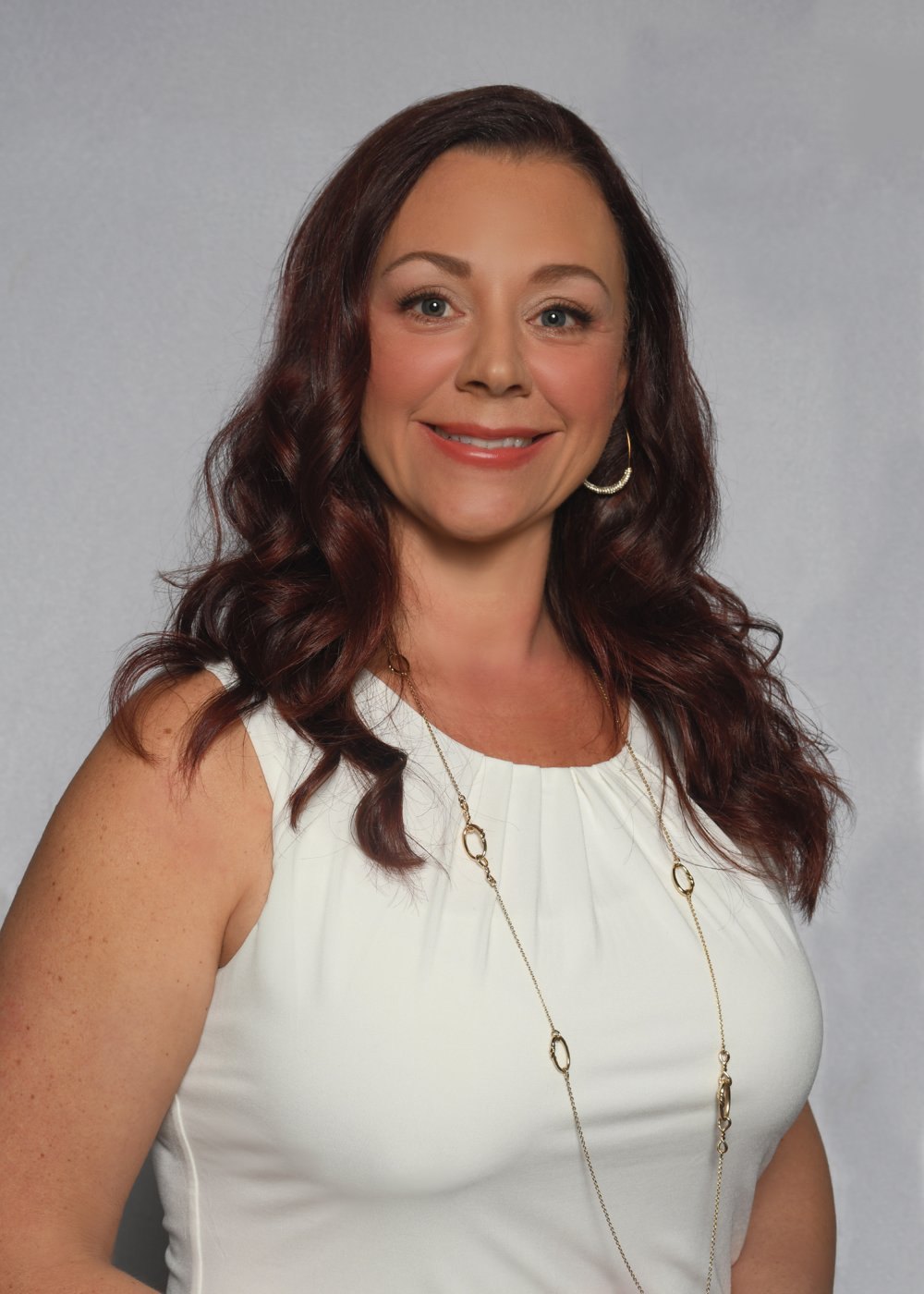
About Amanda
Amanda Chestnut, JD, ABA
I'm Amanda Chestnut, founder of Amanda's Insights and Money Mastery LLC. I've worked in accounting for more than 20 years and have owned my own tax and advisory firm since 2019, so I know this work from both sides of the desk. I'm an Accredited Business Accountant, an Advanced QuickBooks ProAdvisor and a ReFrame Society community leader, where I co-lead AI office hours for accountants.
I grew up in a rural farming community in southeastern North Carolina and was the first in my family to earn a college degree. My faith guides my work, and the time AI gives back goes to my family.
Interest list
Be the first to know
Join the list, and I'll let you know when the next small group opens. And tell me your biggest AI question. I'd love to hear it.